 Gustasp and Jeroo Irani
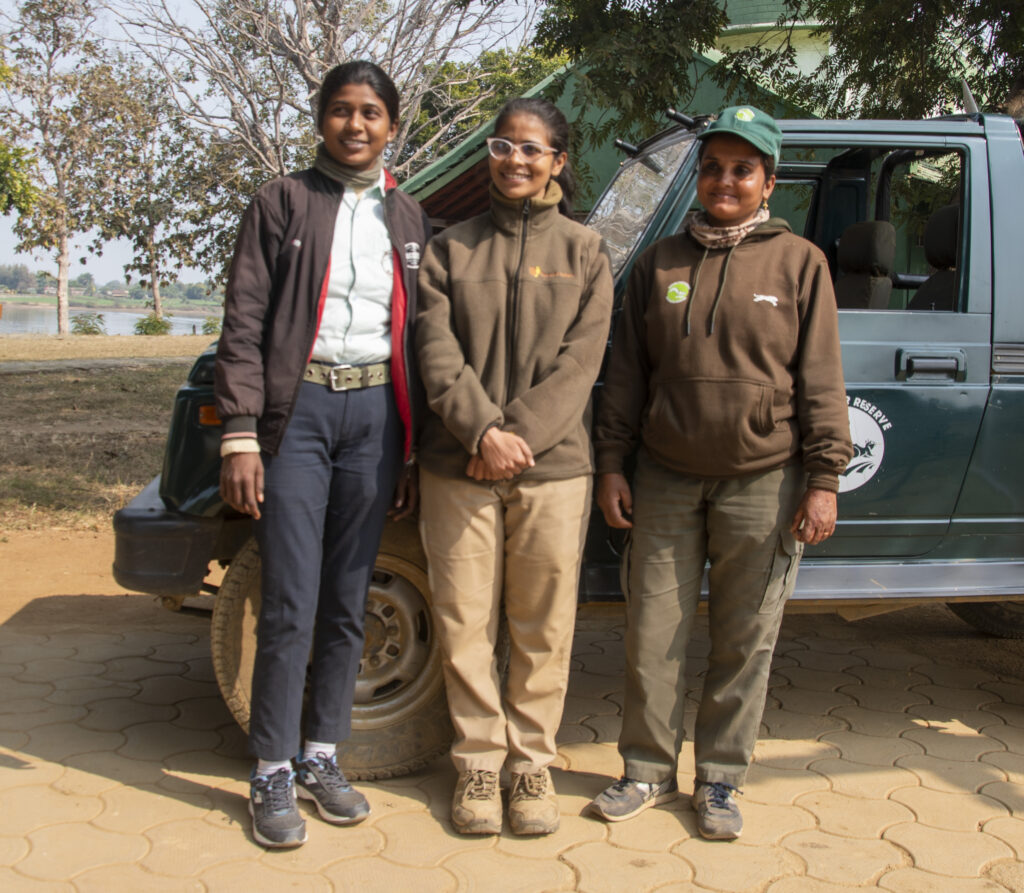
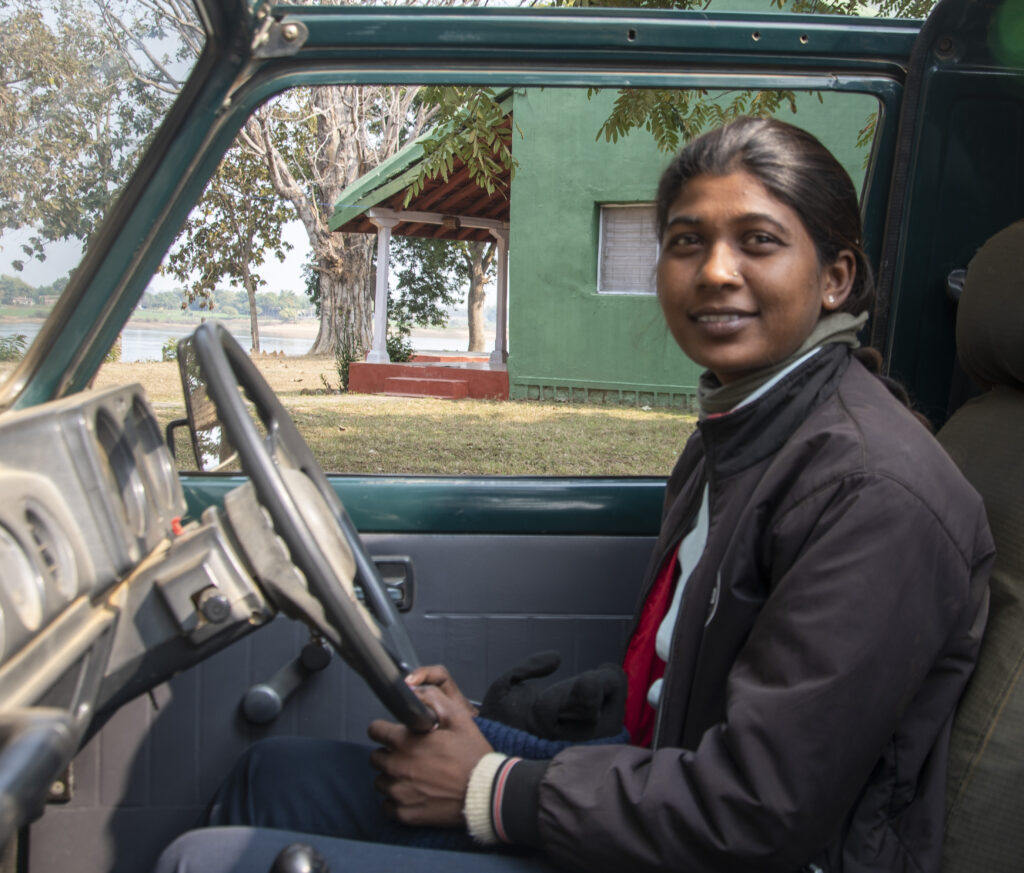
Our safari in the Kiplingesque jungles of Satpura National Park/ Tiger Reserve in the heart of India happened with a side of girl power. Our jeep bumped over rocky trails in the park and was steered by 24-year-old Sangeeta Solanki, who has been driving in the tiger reserve since October 2022 as part of a Safe Tourism for Women project. Our forest guide, 35-year-old Vimla Kahar, was a divorced home maker with two daughters. Both women were Adivasis, a tribal community in India, that live off the forest and know their jungles like the back of their hands.
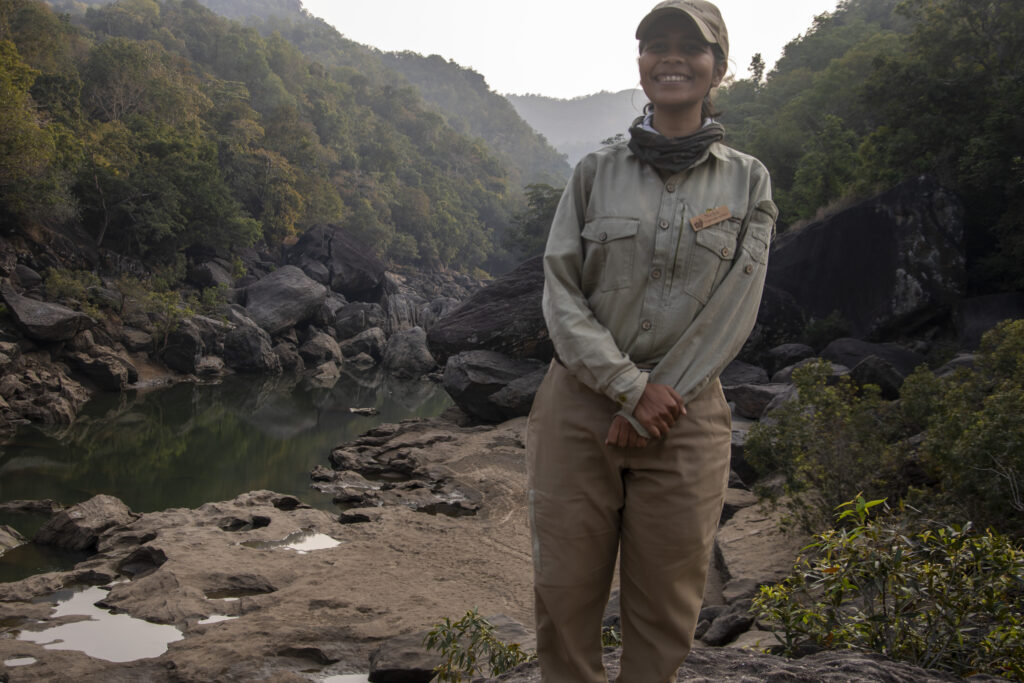
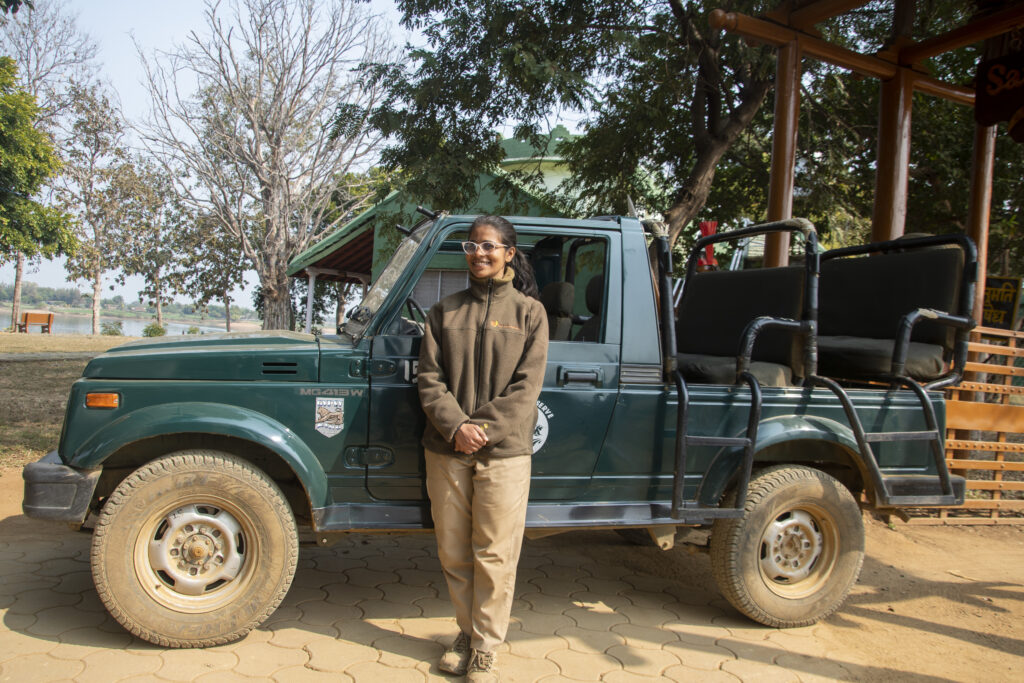
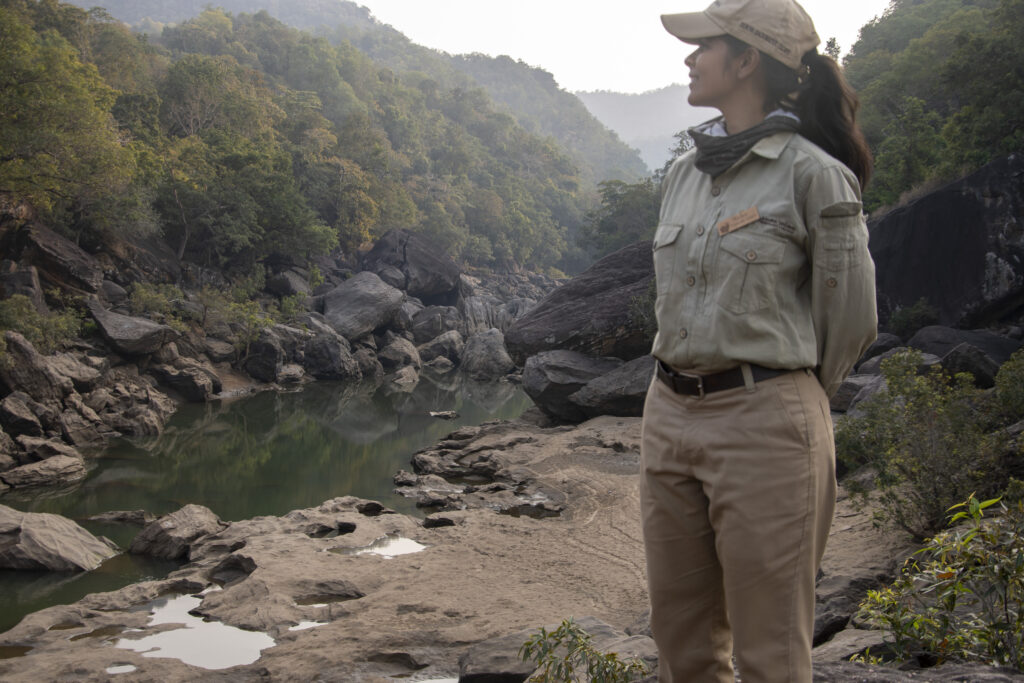
A naturalist from our resort, the eco-luxury Denwa Backwater Escape, accompanied us. She was 27-year-old Neha More, fascinated as much by the pug marks of a tiger, as the calls of birds, feathered beauties that she could identify adroitly even as they winged overhead.
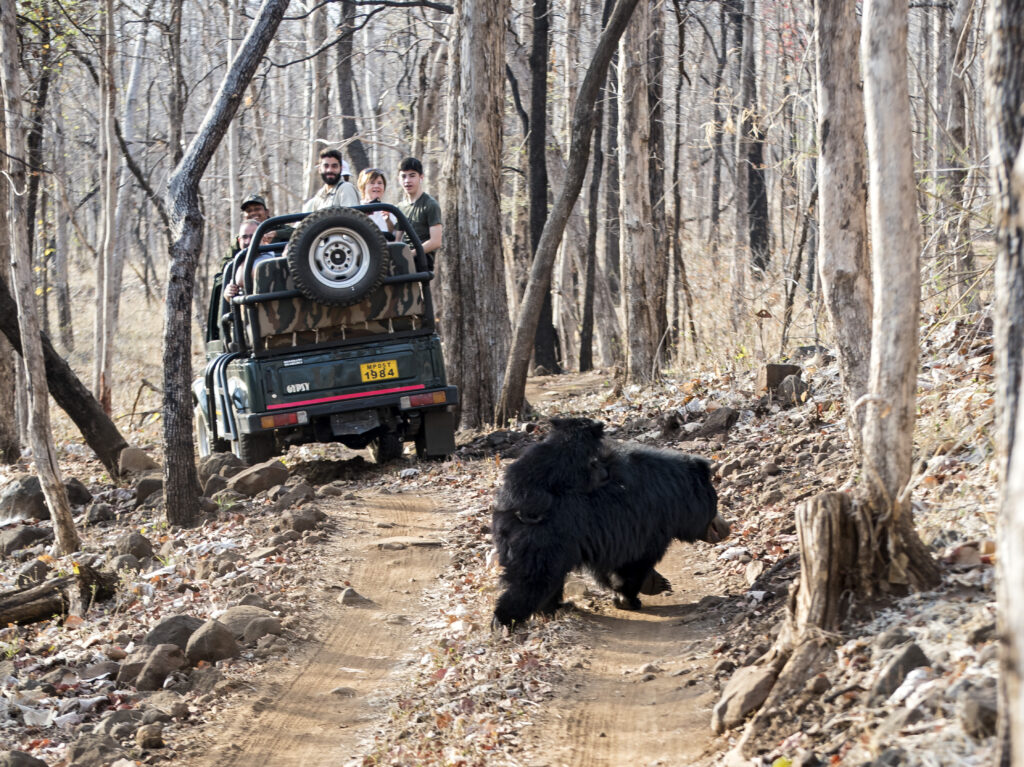
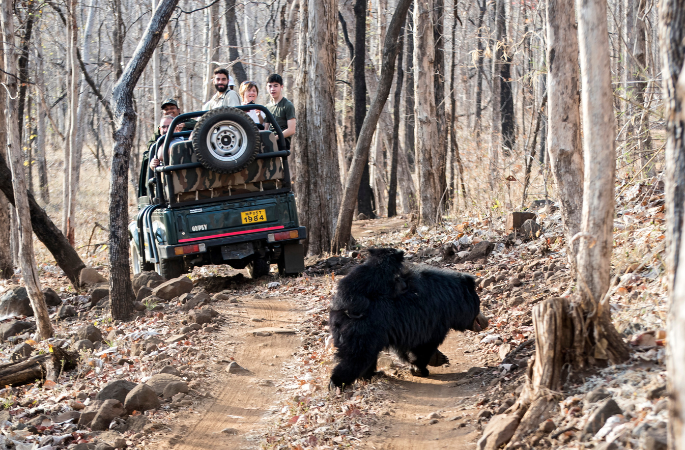
As our jeep lurched along the rutted roads, the three women were unfazed by the alarm calls indicating the silent presence of a tiger, leopard or even a temperamental sloth bear.
As part of the Safe Tourism Destination for Women project, launched by the Madhya Pradesh Government (Madhya Pradesh is a state in central India with well-managed wildlife parks), women safari drivers and guides now take tourists around wildlife infested forests, armed only with supreme confidence. The forest guide and the driver belong to a tribal community whose lives were intertwined with the forest which they now help to protect.
During our wildlife foray into Satpura, the three women helped us to shed our tiger-centric approach to a safari by highlighting the richness of the forest, identifying virtually every tree and exhorting us to admire the faraway hills which snagged nomadic clouds. We began to follow the tracks of the sloth bear, leopard, and herds of gaur, and craned our necks to spot birds that flitted over head or nestled in the hollows of trees. There was serenity and stillness in the forest, and the promise of power and spectacle, too.
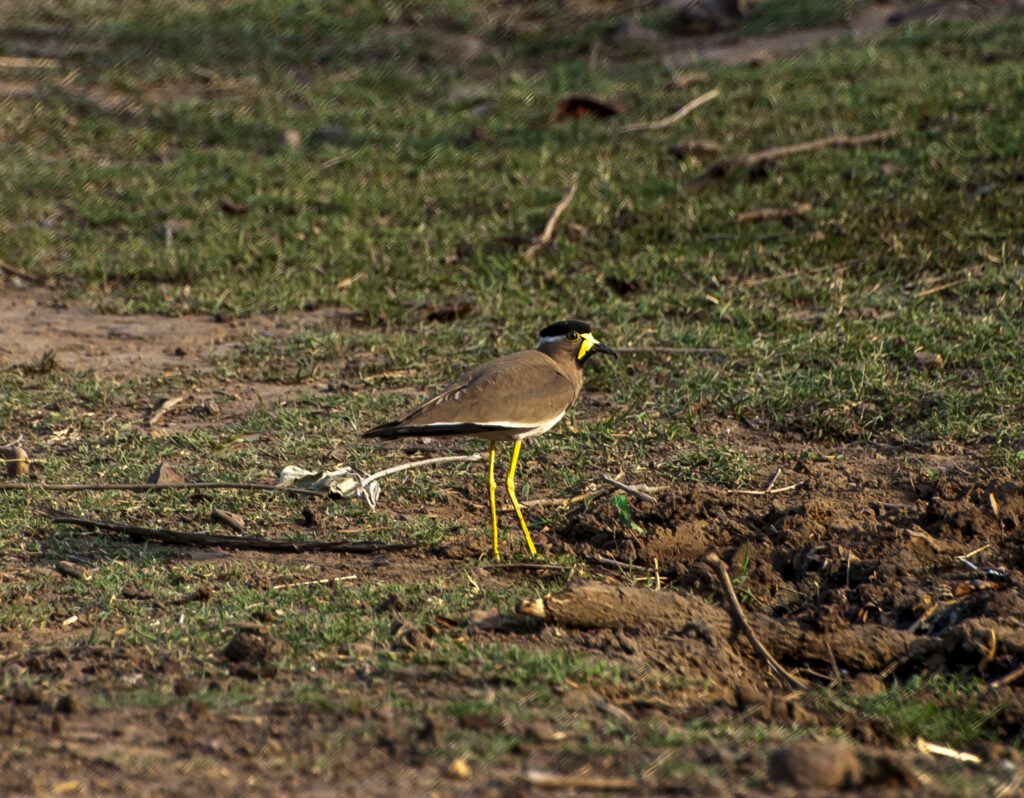
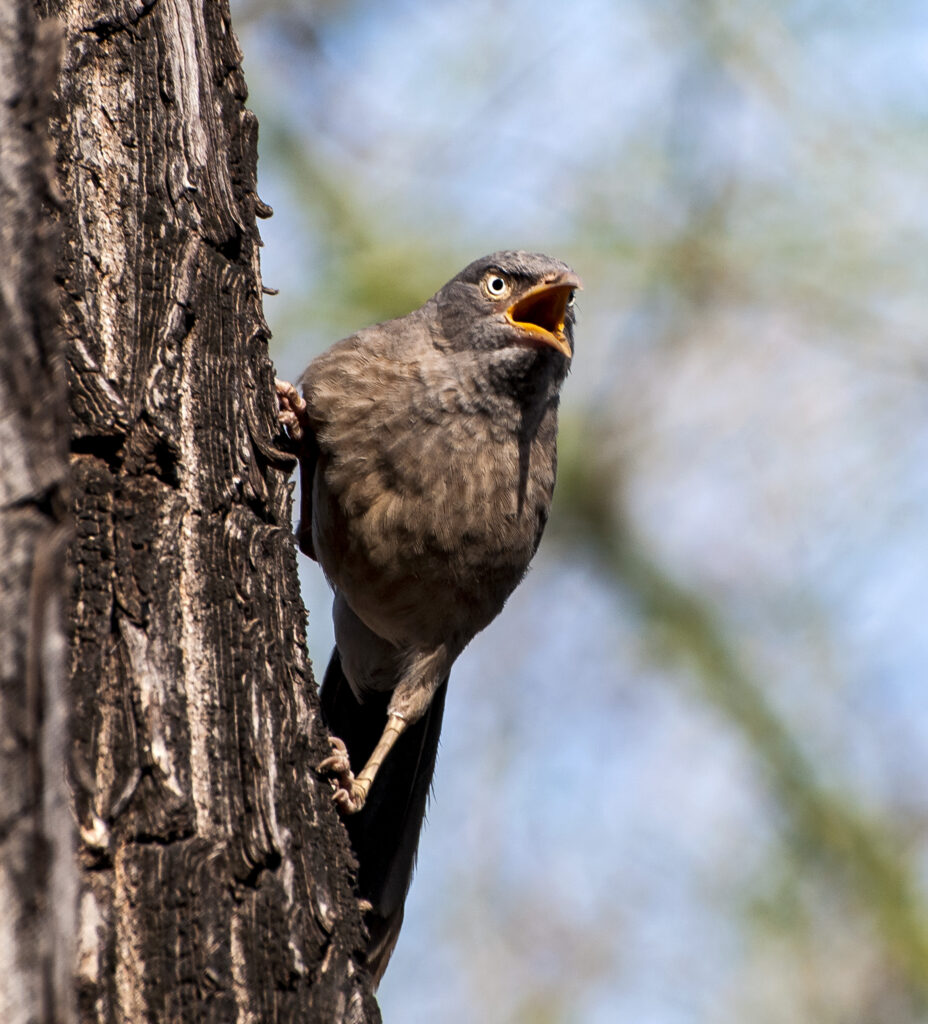
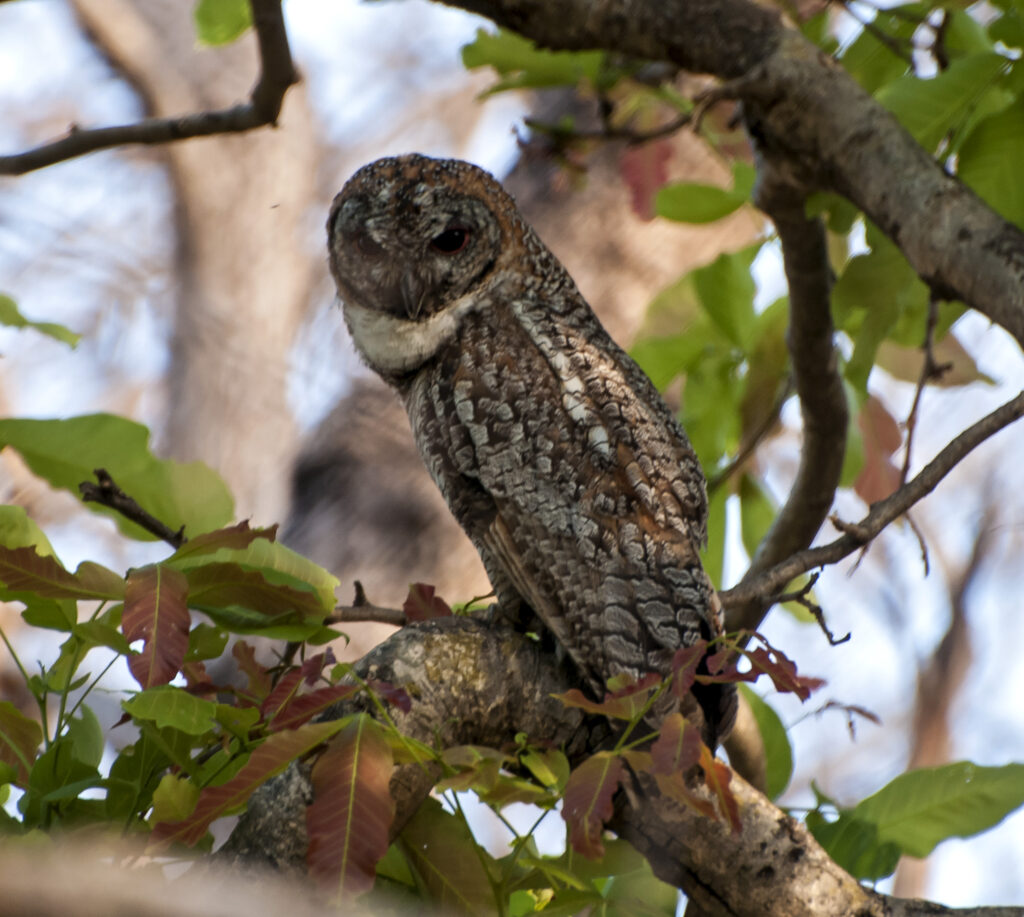
Young Neha, a walking encyclopaedia on the wild, would point out an owlet sitting on a tree branch, sunbathing, with eyes shut; or a plum-headed parakeet that screeched overhead in a slash of crimson across a blue sky; a paradise fly catcher that was snapping up insects mid-air while another hopped on the forest floor, dragging its long tail… Flocks of whistling ducks paddled in a water body and a watchful shrike perched on a tree branch, looking for prey…
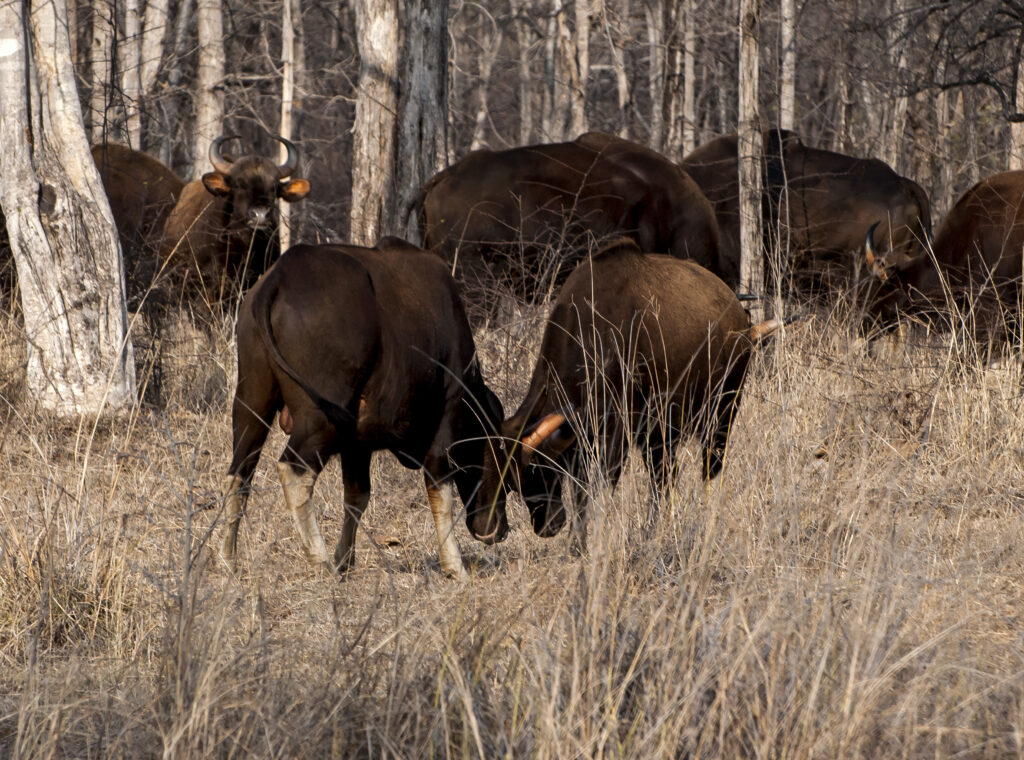
We rolled past sun-kissed meadows to stop to watch a herd of female gaur ( a large bovine, also called the Indian bison) that grazed while two male gaurs looked on possessively. Soon, a deep rutting sound, akin to a roar, reverberated across the forest. “This is mating season for the gaurs,” whispered our forest guide. The two male gaurs had sensed competition from two other males that were hanging around in the distance. The rutting sound, essentially mating calls, seemed to shake the very earth and sent chills down our spines. The females seemed unconcerned but the males, a 1,000 kg mass of muscle and power, exuded menace.
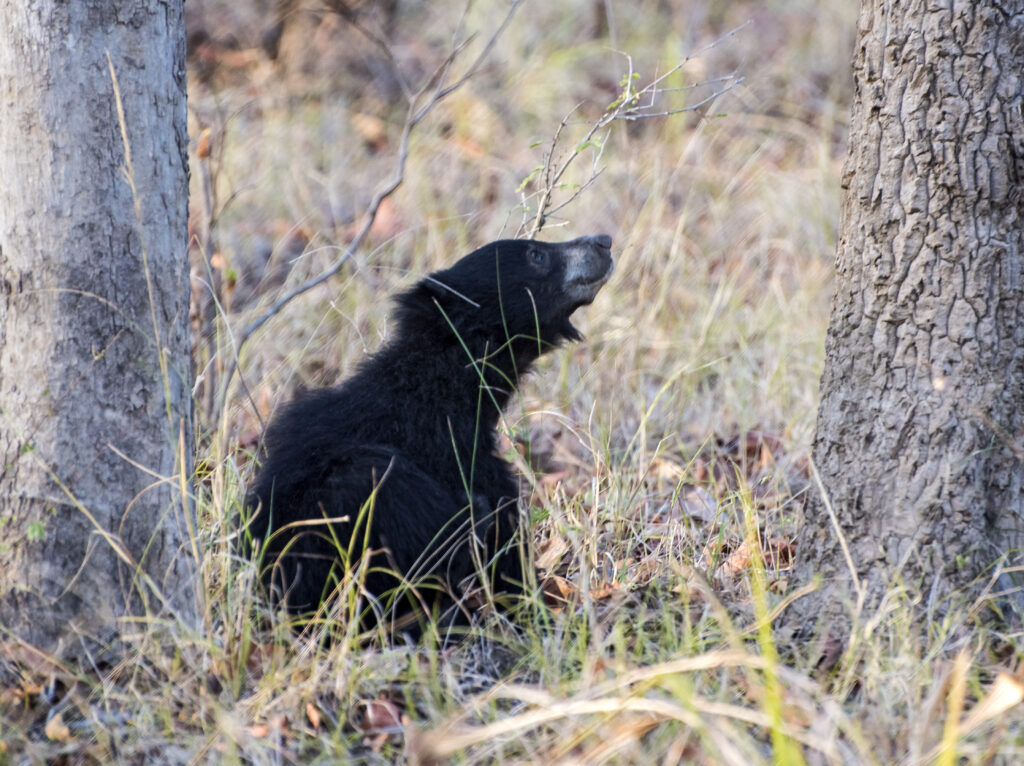
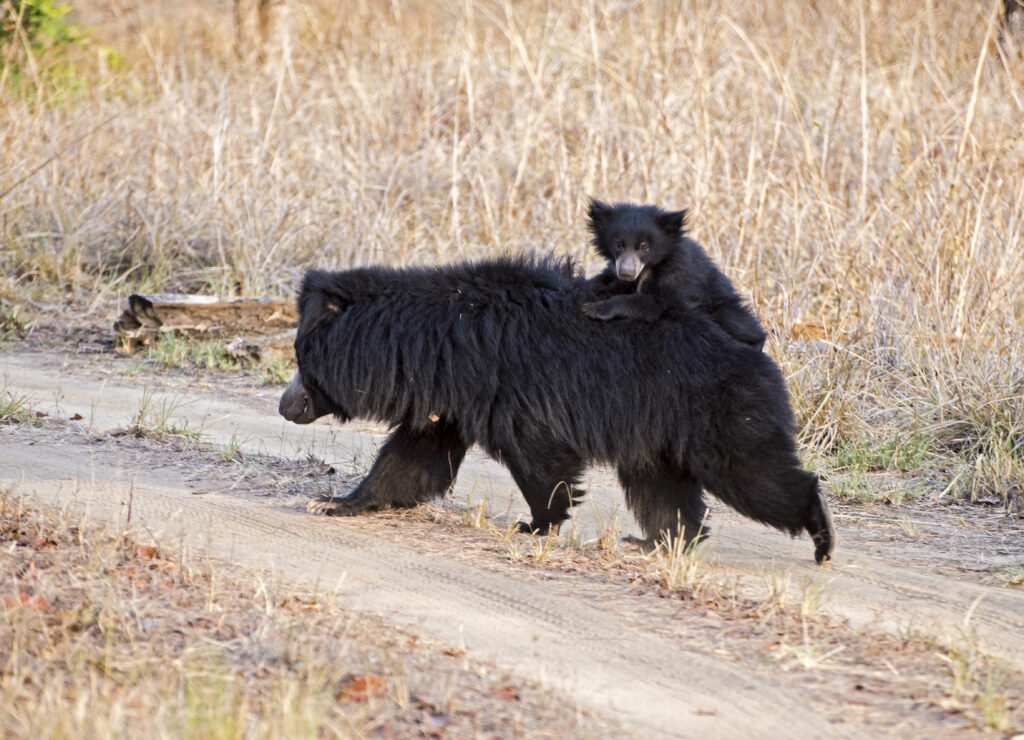
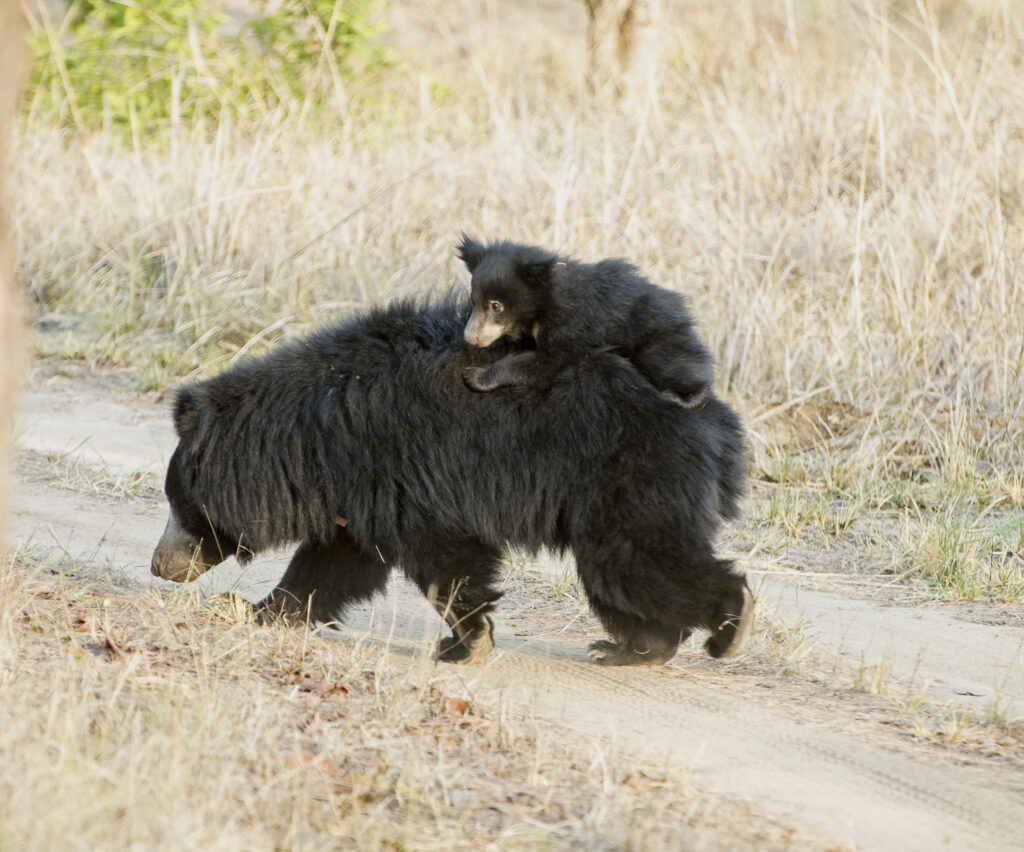
“Only a skilled tiger can bring a gaur down,” said Neha, “ while sloth bears and tigers are an equal match.” The nails of a sloth bear are lethal and can even tear apart a human being. The black furry balls are, however, lovable from a distance and playful, and on a previous visit we had spotted a mama bear with a baby piggy-backing her.
As our safari jeep bounced over red earth trails, steered expertly by Sangeeta who has been driving in the forest for four years. (Sangeeta had never driven a car or a jeep before in her life!) Our jeep bubbled with a positive energy and a sense of camaraderie. Vimla, the forest guide, confided in us that her two girls who attend a local school aspire to be doctors one day. Whispered confidences were shared of how new-found opportunities for women in the region were even upending old norms like child marriages and altering power balances in the family, positively impacting relationships with fathers, husbands and brothers. Most of all, the three women generously shared their abundant knowledge of the terrain and the forests that they love, even as they passed around home-made sweets during the safari!
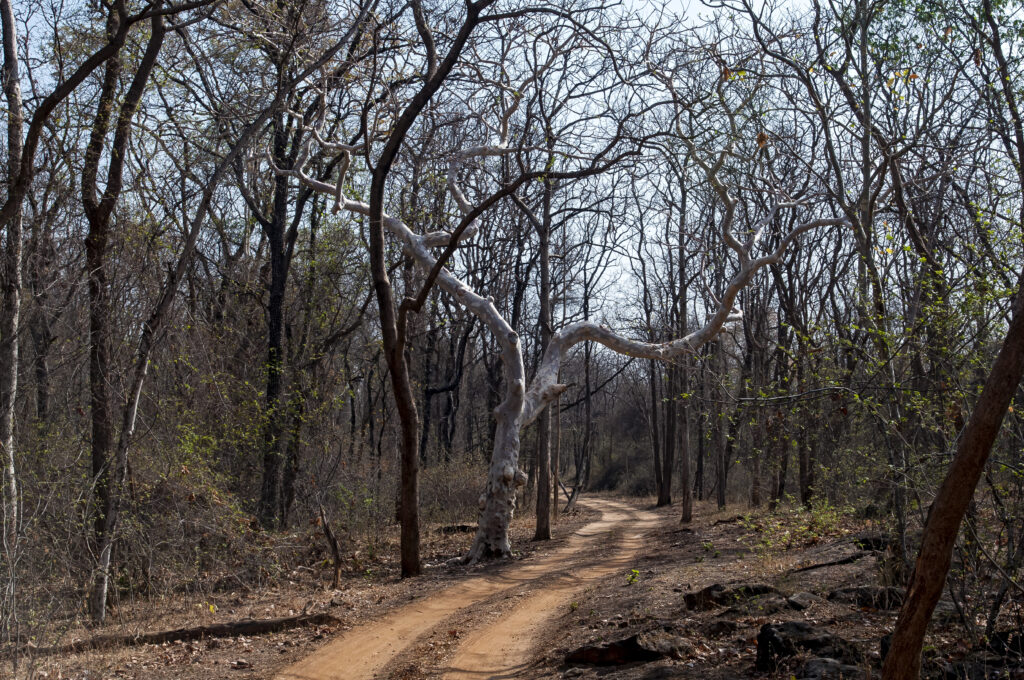
Neha’s family hails from an urban background and transitioning from city life (sprinkled with a great deal of travel) to the forest was relatively easy for her as opposition from her family was minimal. While concerns about safety remain, her family is very supportive of the life that she has chosen to adopt. They are proud of Neha’s vast knowledge of the wild and powers of observation. She would spot a spangled spider’s web hanging like a misty cloud between the leaves of a tree; an Indian ghost tree, its white bark and branches glowing eerily at dusk; the crocodile bark tree with its scaly skin, the tendu or Indian ebony tree whose leaves are used in hand-rolled cigarettes…
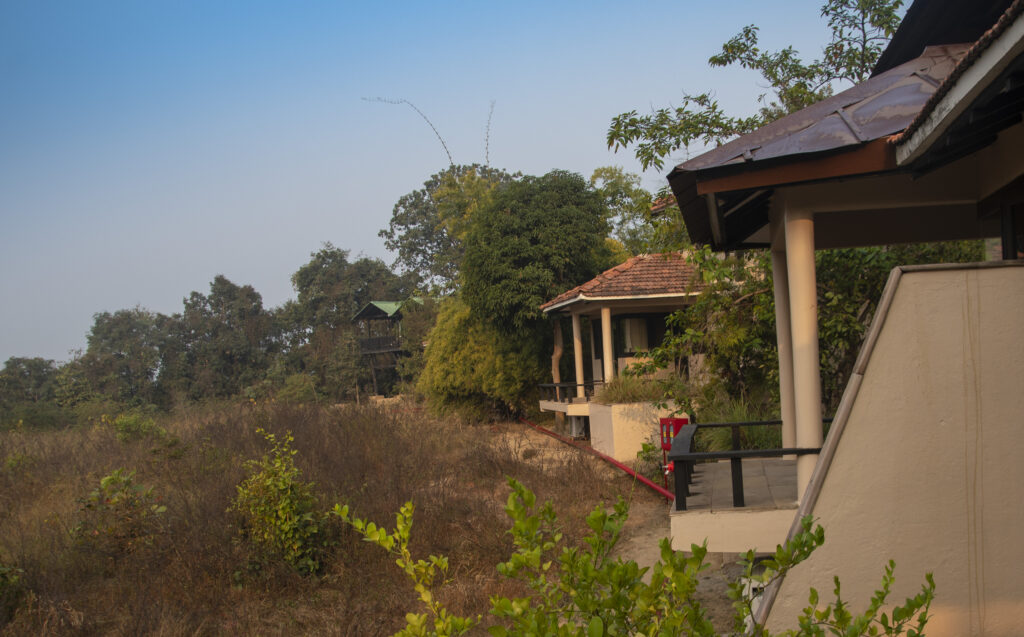
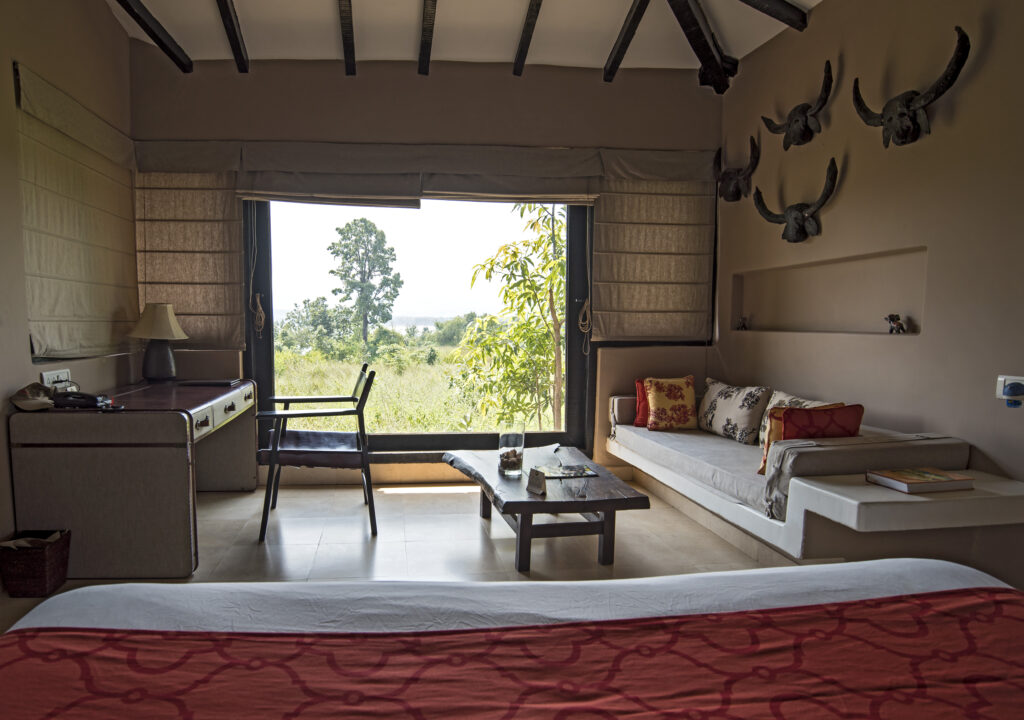
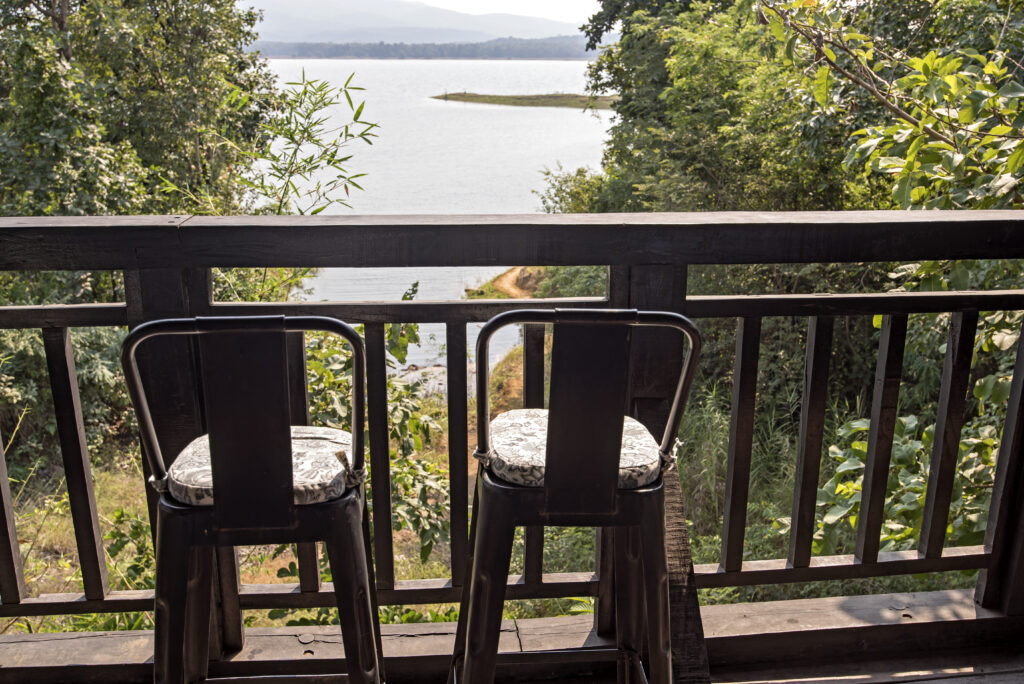
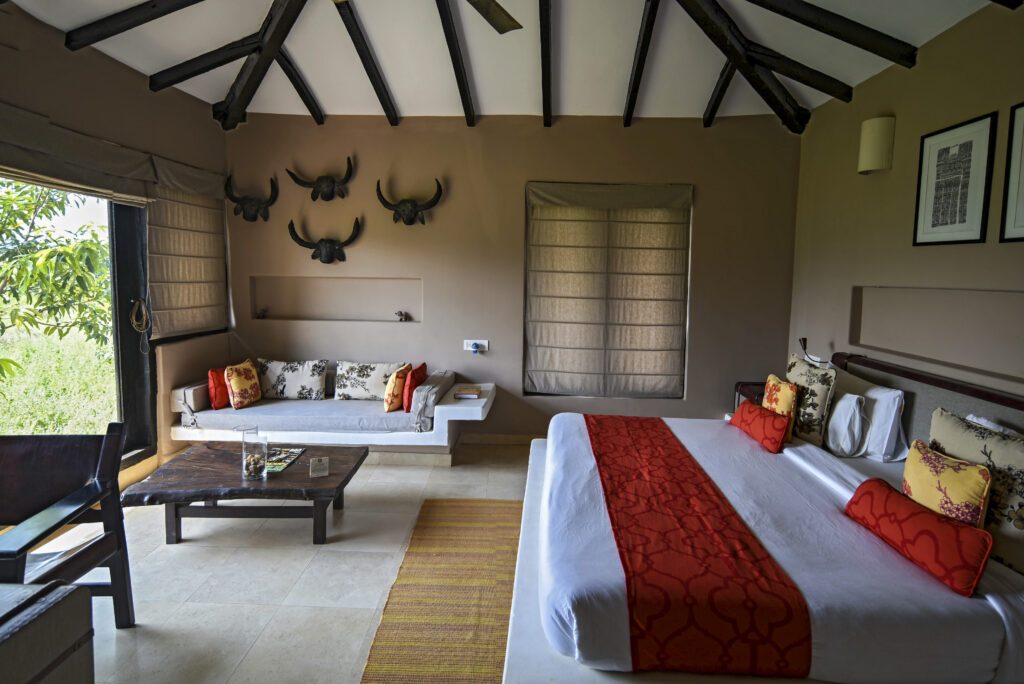
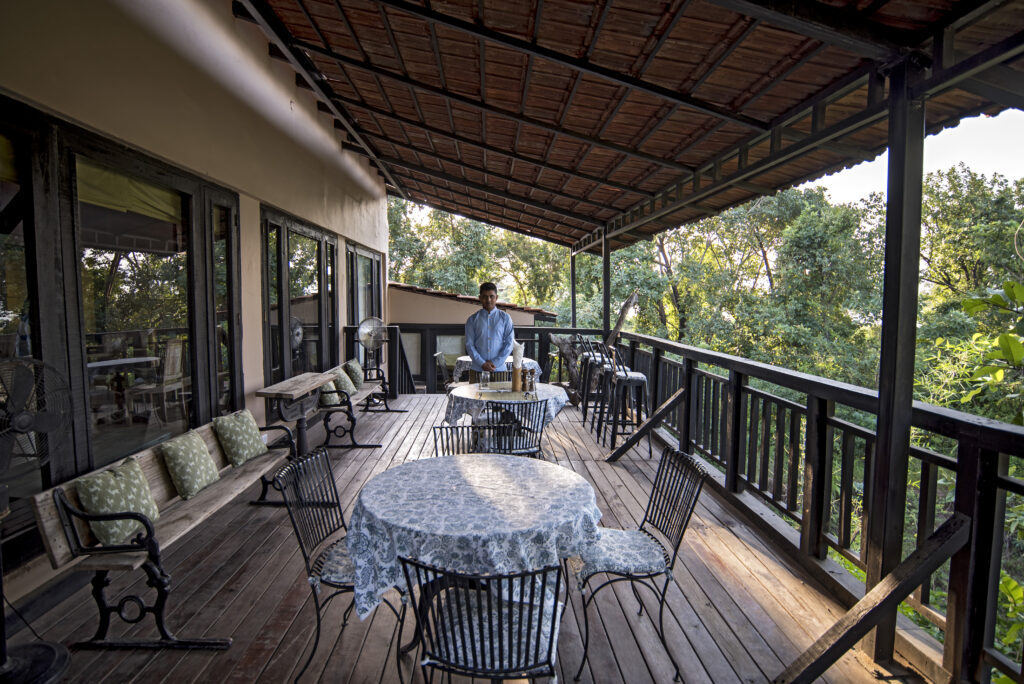
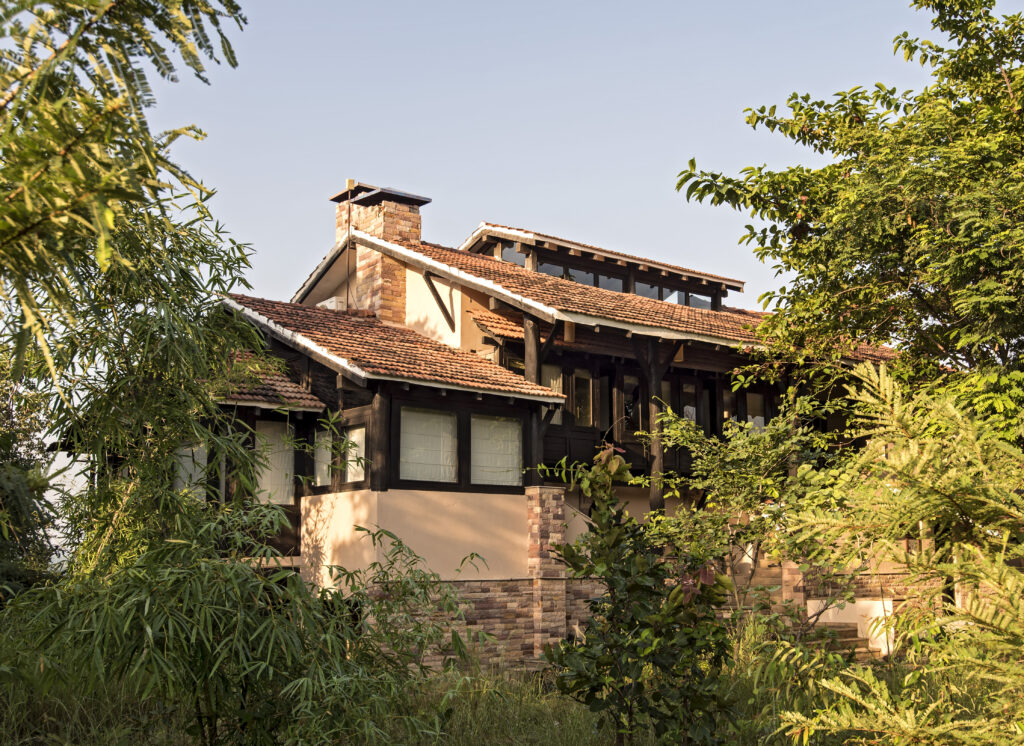
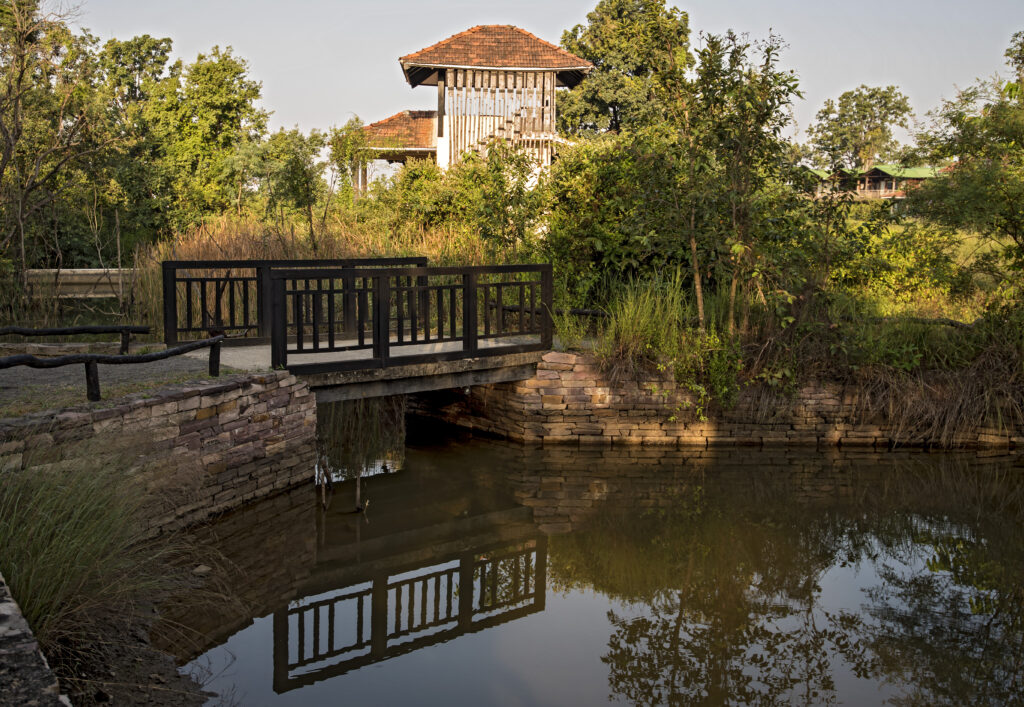
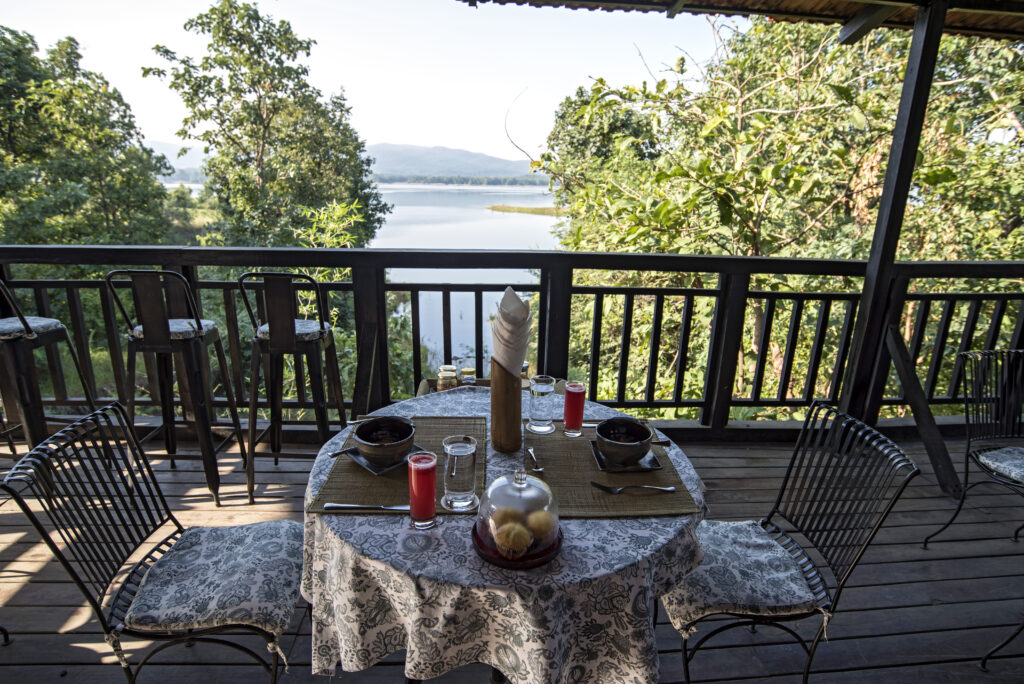
As dusk mantled the forest giving it an almost eerie beauty, pangs of hunger drew us back to our resort, Pugdundee Safaris’ Denwa Backwater Escape. This lodge spins on an axis of conservation and protection of the forest yet provides comfort, organic cuisine and stunning views. Our glass-fronted suite done in safari lodge style had a patio facing the blue slash of the backwaters of the Denwa river in the distance… We spent hours on the patio where the air was textured with bird song and the wilderness beyond seemed to whisper to itself. The eight cottages and two tree houses are built on 10 acres of wilderness, only partially manicured with pebbled paths lit with paraffin lamps at dusk. Indeed, despite its commitment to luxury, the Denwa Backwater Escape has a light footprint and the only sign of its existence is an array of tiled roofs snuggling amidst the forest cover.
On our last morning, we embarked on a forest walk in the buffer area (a peripheral area that protects the wildlife-infested core zone) accompanied by plucky Neha. As we walked on dry leaves that crackled underfoot, we heard the belling (alarm call) of a sambar deer said to be the most reliable indicator of a predator’s presence.
Our instinct was to bolt to the safety of our lodge. Neha’s response, however, was typically gutsy and tongue-in-cheek: “ The predator is probably a leopard or a tiger but quite far away. We are on their home turf and not they on ours.” And then she joked: “Get ready to climb a tree if a tiger strolls past.”
Fact File
The Satpura National Park/ Tiger Reserve is located 150 km south-east of Bhopal airport in the state of Madhya Pradesh. In terms of accommodation, Satpura has budget options as well as a few eco-luxury resorts like the Denwa Backwater Escape and Reni Pani Jungle Lodge.
For more information visit: MP Tourism at www.mptourism.com
and https://www.denwabackwaterescape.com/